Interior drainage, exterior membrane, foam injection, dehumidification — which one your basement actually needs depends on how the water is getting in.
Start with where the water is coming from
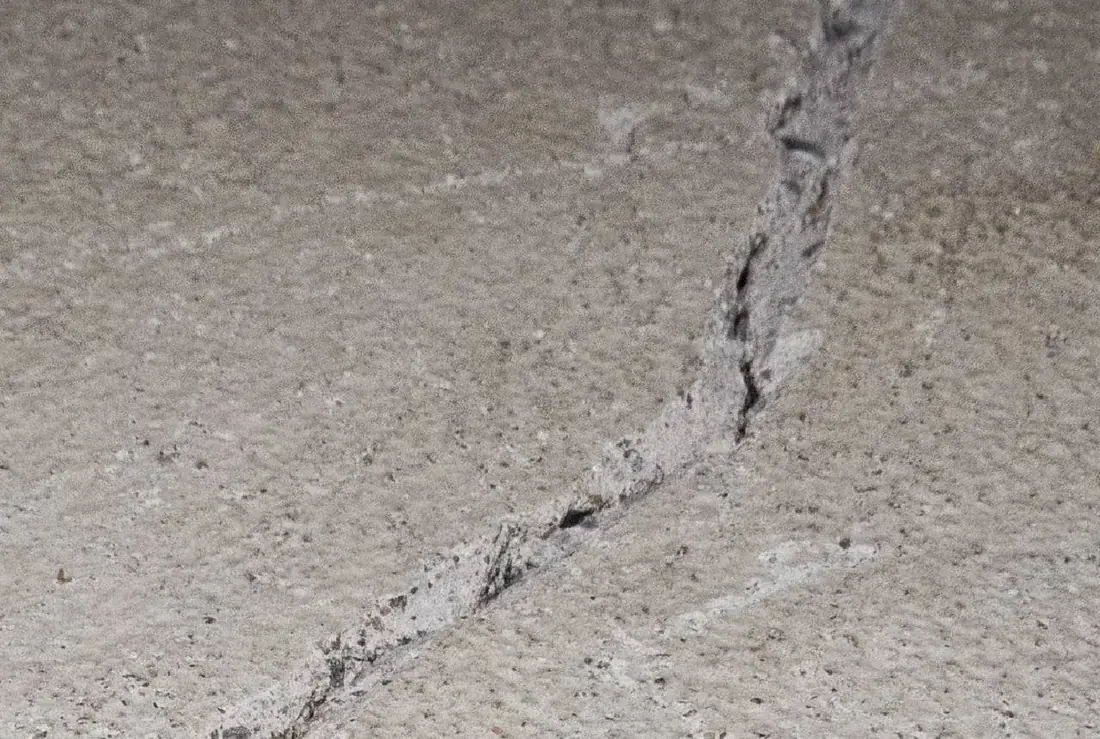
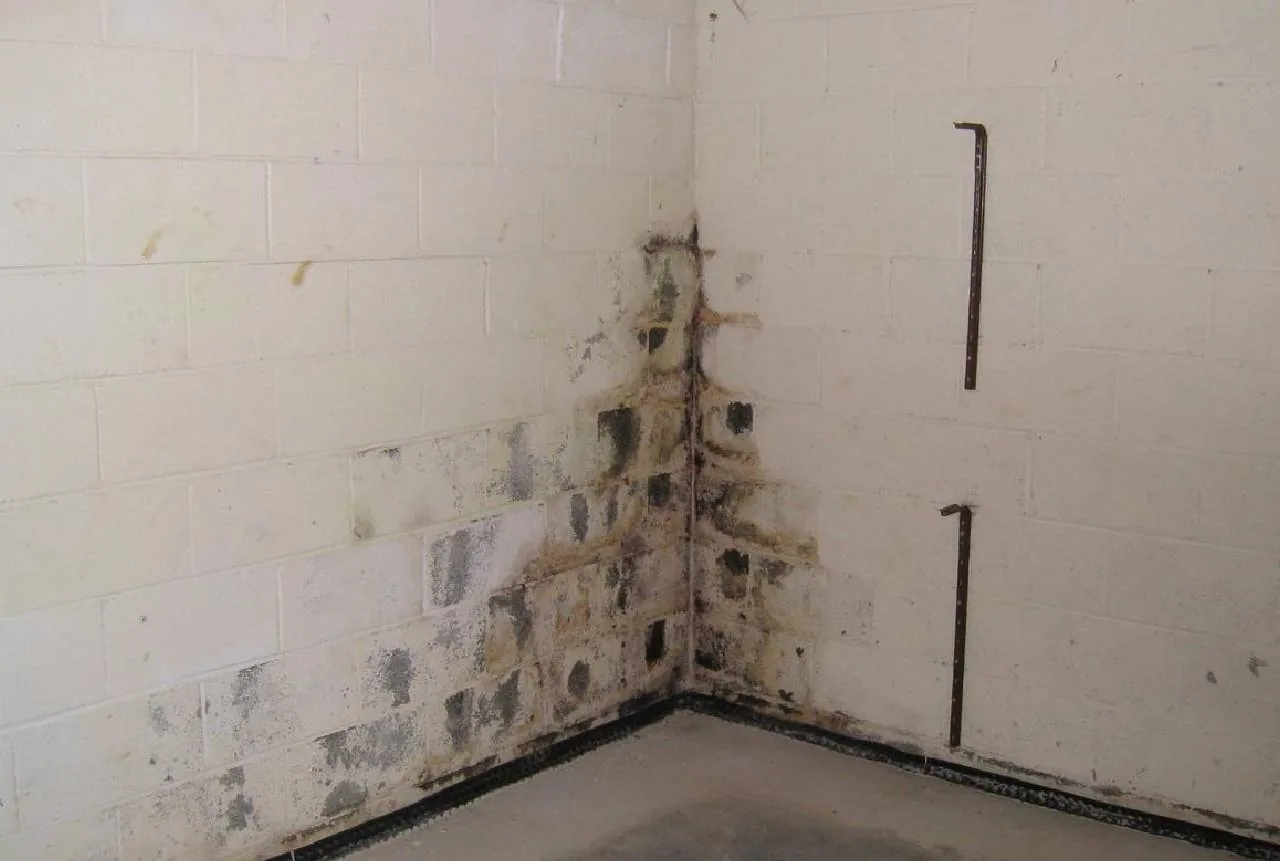
Most basement waterproofing mistakes come from picking a product before diagnosing the source. Water reaches a basement four ways: through cracks in the wall, through the cold joint where the wall meets the floor, up through the slab itself (hydrostatic uplift), or as condensation on the cool walls from humid air. Each one has a different fix. Several houses have more than one happening at once.
If you skip this step and just install a sump pump, you might solve 30% of the problem and convince yourself the basement is 'kind of fixed.' It won't stay that way.
Option 1: Polyurethane crack injection
Best for: clean, active leaks through a specific crack or cold joint. Most basement leaks in NWA start here.
How it works: we drill small ports along the crack from inside the basement, inject expanding polyurethane resin, and the foam fills the crack from inside the wall all the way to the exterior, bonding to the concrete on both sides. It stays flexible, doesn't crumble, and is generally permanent.
Cost: $400–$900 per crack typically. Time: a few hours. Mess: minimal. Disruption to finished walls: minor.
Option 2: Interior drainage with a sump
Best for: water coming in from multiple places, including the wall-floor cold joint, or whole-basement seepage that comes and goes with rain.
How it works: we cut a 6-inch channel along the perimeter of the basement floor, install perforated pipe in a bed of clean gravel, and route the water to a sealed sump pit with a discharge pump. The water that was sitting against the wall now drains harmlessly to the pit and out of the house.
Cost: $5,500–$12,000 for a typical basement. Add $400–$700 for a battery backup pump (which is not optional — most basement floods happen during the same storms that knock out power).
Option 3: Exterior waterproofing (membrane + drain tile)
Best for: new construction, severe water-pressure problems, or homes where landscaping can be disturbed.
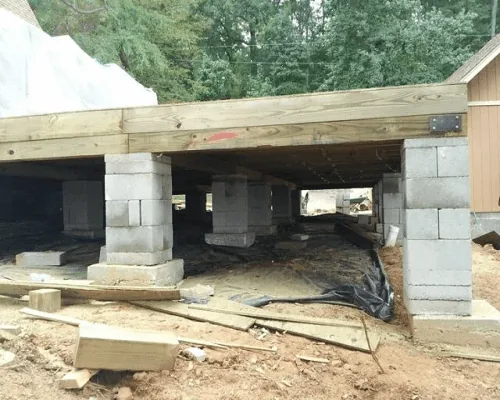
How it works: we excavate down to the footing, clean the wall, apply a heavy waterproof membrane and a dimpled drainage board, install a perforated drain tile at the footing, and backfill with gravel. Water can no longer reach the wall in the first place.
Cost: $15,000–$40,000+ depending on excavation depth and access. The gold standard but rarely the most practical retrofit on an existing home.
Option 4: Vapor barrier and dehumidification
Best for: 'damp' basements with no visible water, persistent musty smell, or condensation on the walls in summer.
How it works: we install a heavy vapor barrier on the walls and floor (or both, depending on construction), seal air leaks, and add a basement-rated dehumidifier sized to the cubic footage. This is the standard fix for Rogers basements where Beaver Lake humidity is the real culprit.
Cost: $3,500–$8,000. Often paired with crack injection or interior drainage when there's also an actual water source.
Option 5: Yard grading and gutter work
Best for: basements where the water source is honestly the yard, not the foundation.
How it works: re-grade soil away from the house (minimum 6 inches of fall in the first 10 feet), extend downspouts at least 5 feet from the foundation, and reroute surface water away from window wells. This costs a fraction of waterproofing and sometimes solves the problem entirely.
Always do the grading and gutter work first if it's needed. Waterproofing the inside of a basement that's being fire-hosed by bad gutters is a waste of money.
What we usually recommend
For most NWA basements: fix grading and gutters first, then crack-inject any visible active leaks, then add interior drainage with a sump if water is still appearing. Add a dehumidifier for the humidity. Exterior excavation only when the other options can't work. This stack handles 90% of basements and stays dry for decades.
If you're not sure what your basement actually needs, that's exactly what a free inspection is for. (479) 441-9515.