Boone Formation clay, karst limestone, steep hillsides, and 48 inches of rain a year — what NWA's geology does to foundations and how to design around it.
The geology you're building on
Northwest Arkansas sits on the Springfield Plateau and the Boston Mountains — two limestone-dominated regions that have weathered for millions of years into a thin, rocky soil cap over chert-rich clay over solid limestone bedrock. The exact mix changes block by block, but four characteristics show up almost everywhere and they all affect foundations.
Characteristic 1: Expansive clay
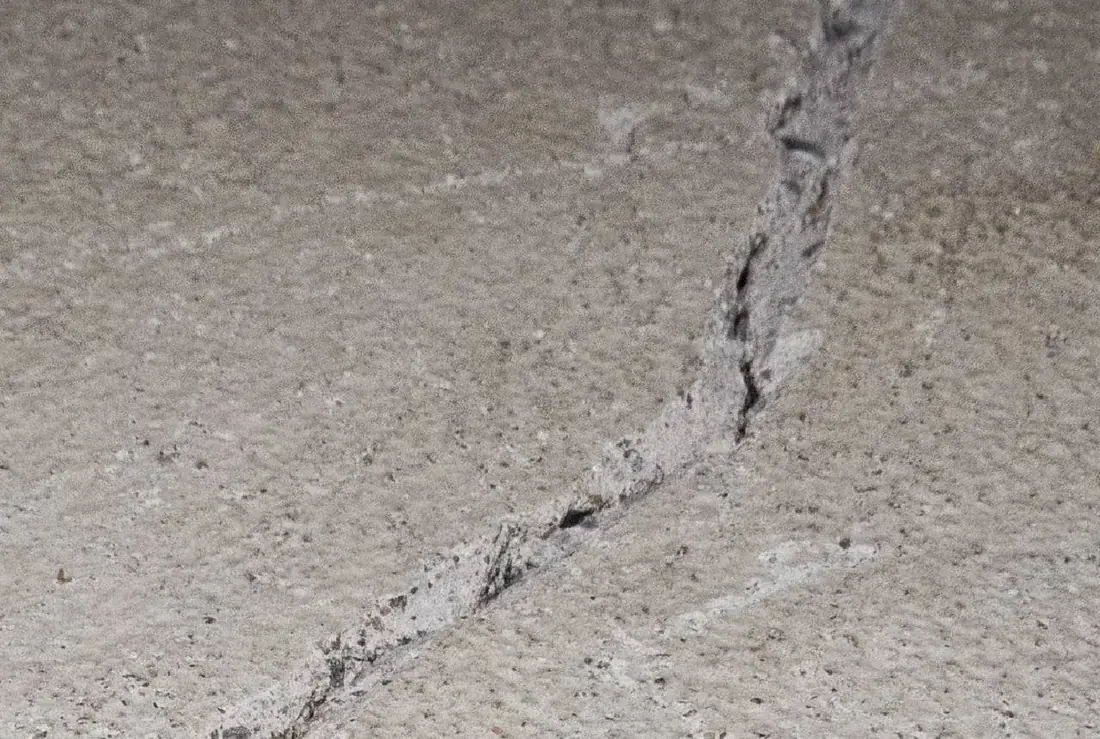
The clay portion of NWA soils is moderately expansive — it shrinks when dry and swells when wet, with seasonal volume changes of 4–8%. That's enough movement to crack rigid foundations that weren't designed for it. The August drought / October downpour cycle that defines NWA weather is basically a torture test for foundations: shrink hard for two months, then heave fast for two weeks.
The clay is deeper and more active in valley bottoms (parts of Springdale, lowland Fayetteville) and shallower on the ridges (Bella Vista, Pinnacle Hills in Rogers). Knowing which you're on changes the right repair approach.
Characteristic 2: Karst features and voids
The limestone underneath NWA has been dissolving slowly for tens of millions of years, leaving small voids, seams, and the occasional sinkhole. Most of this is harmless — it's why we have caves and springs across the region. But the karst geology does two things to foundations: it creates unpredictable drainage paths (water can suddenly appear or disappear under a slab), and it occasionally opens a small void under a previously stable footing.
When we're underpinning a hillside home in Bella Vista or Rogers, we sometimes hit a karst void with a helical pier and have to advance further to find load-bearing rock. It's a known condition; we plan for it.
Characteristic 3: Steep terrain and cut-and-fill
Most NWA neighborhoods built since 1990 sit on graded lots where part of the home is on undisturbed soil and part is on engineered fill. Fill settles differently than native soil — typically more, and over a longer timeline (3–7 years of measurable consolidation). That's why so many 4-year-old homes in Bentonville and west Rogers show one corner cracking even though the rest of the house is fine.
Older Fayetteville hillside neighborhoods (Mount Sequoyah, Markham Hill) have the additional complication of slope creep — slow downhill movement of the soil itself — which means the footing isn't just settling, it's also slowly rotating.
Characteristic 4: 48 inches of rain a year
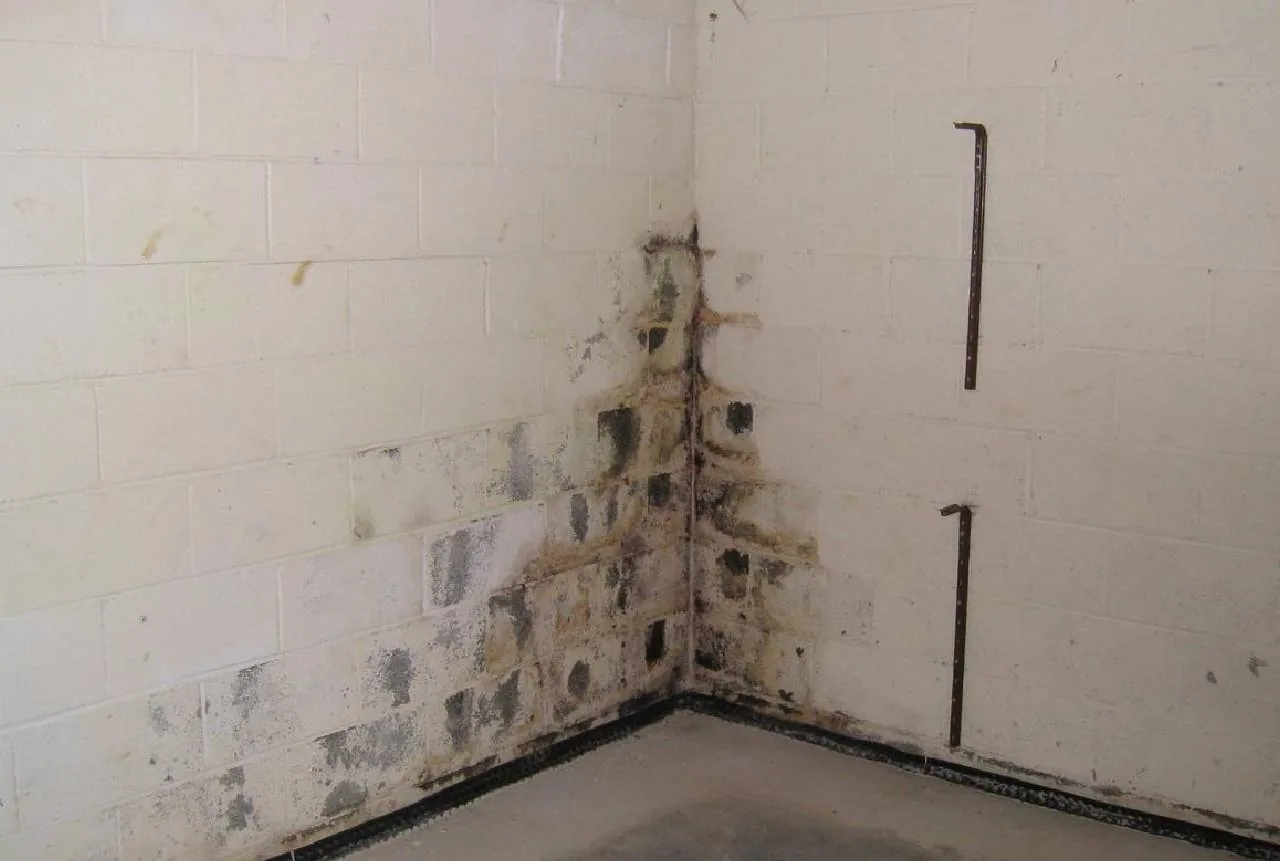
NWA averages about 48 inches of rain per year, and most of it arrives in short, intense bursts. That's a brutal combination for foundations because it means the soil cycles fast between bone-dry and saturated, and surface water concentrates fast wherever drainage is even slightly off. Bad gutters, a low spot in the yard, or a downspout that dumps near the foundation will deliver hundreds of gallons to the soil next to your wall during a single storm.
What this means for repair
First: drainage is at least half of foundation health in NWA. Most foundation repairs we do should be paired with gutter, downspout, and grading work, or the same problem comes back in five years.
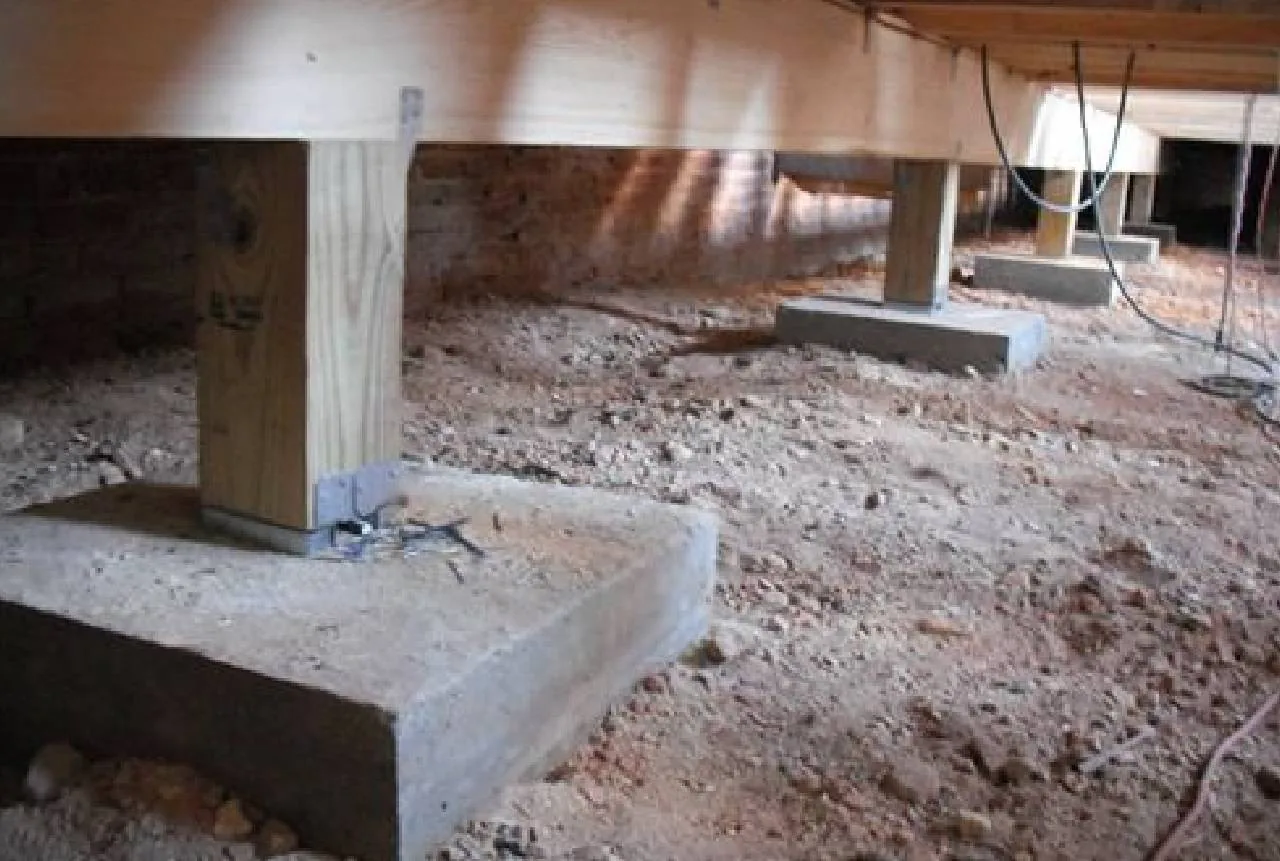
Second: any underpinning in this region has to extend through the active clay zone and seat in load-bearing strata. Push piers and helical piers both work; the right pick depends on whether you're driving through clay over rock (push piers usually fine) or clay over a karst zone (helical, usually deeper).
Third: new construction should account for the soil from the start. Stamped engineering on lots with engineered fill, soil testing on questionable sites, and grading designed to move water away from the structure aren't luxuries — they're the difference between a 100-year foundation and a 10-year problem.
Local knowledge matters
Foundation contractors who work everywhere don't know that the south end of Springdale behaves nothing like the north end, that Beaver Lake humidity changes basement design in Rogers, or that POA approval in Bella Vista has its own rhythm. We've worked these soils for 45+ years. If you want a recommendation specific to your house, your lot, and your neighborhood — (479) 441-9515.